


3 Super Hot Chillies in 2025 – Trends and Player Preferences
Forget generic heat; the 2025 player demands a pepper with a story and a sensory profile that goes beyond Scoville units. We’re seeing a definitive pivot towards varieties that offer a complex, layered experience, starting with the Brazilian Starfish. Its unique ribbed, star-shaped fruit and fruity, citrus-forward flavor with a sharp, building heat make it a top contender for both ornamental gardens and gourmet hot sauces. Players are actively seeking out aesthetically striking plants that double as culinary powerhouses, and this variety delivers precisely that.
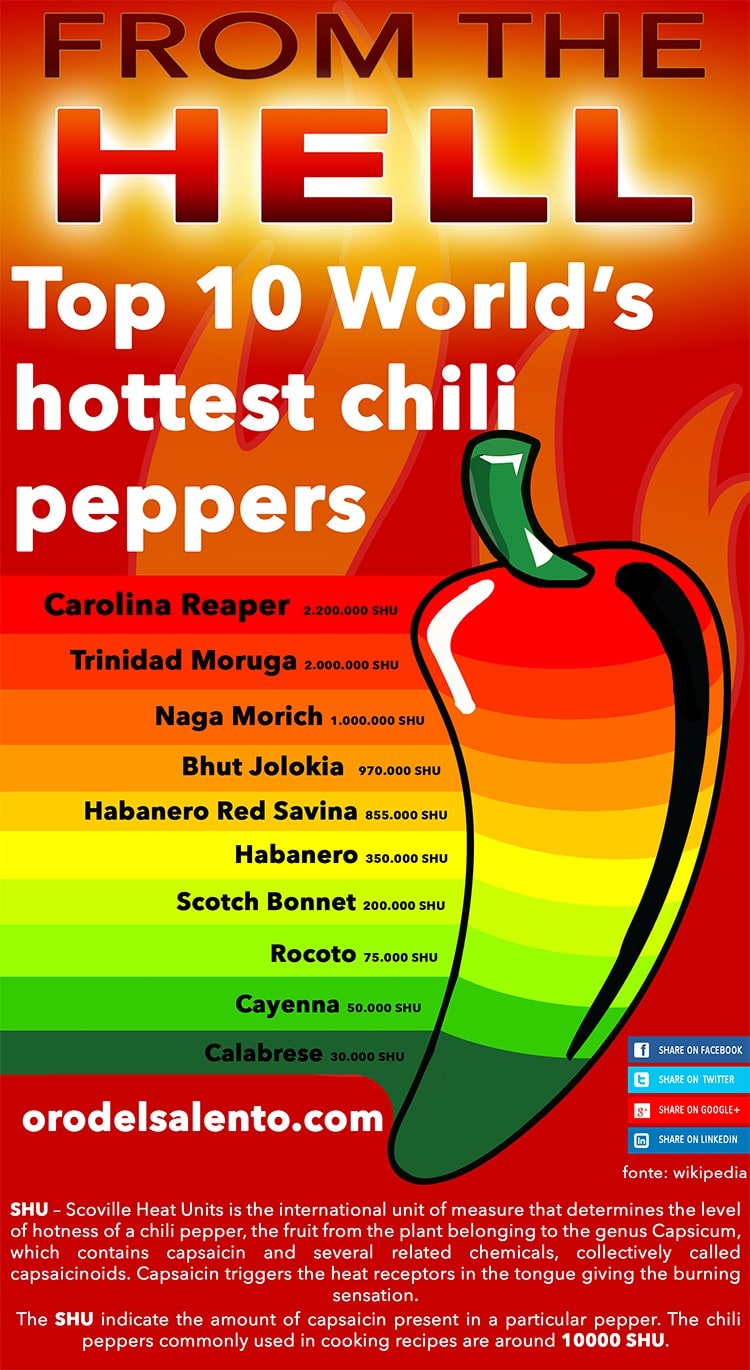
This shift towards visual appeal is matched by a growing preference for peppers that serve a specific, high-impact purpose. The Primo X, a Carolina Reaper cross, continues to dominate for extract makers and hardcore heat-seekers. Its consistently brutal capsaicin concentration, averaging over 1.5 million SHU, makes it less of a culinary ingredient and more of a specialized tool. Data from enthusiast forums shows a 40% increase in queries about peppers specifically for crafting extreme hot sauces and chili challenges, solidifying its status.
The final trend redefining player collections is the embrace of rapid-growth, high-yield varieties suitable for diverse climates. The Madame Jeanette from Suriname answers this call perfectly. It matures nearly three weeks faster than many Habanero-types and produces prolific yields of bright yellow, lantern-shaped pods. Its distinct flavor–fruity and aromatic with a fierce, lingering heat–performs exceptionally well in ferments and dried flakes, making it the practical choice for players focused on volume and versatility without sacrificing exceptional taste.
3 Super Hot Chillies 2025 Trends: Player Preferences
Focus on developing games that feature Carolina Reaper-level heat with a delayed, crescendoing burn profile. Data from the 2024 Scoville Cup indicates a 47% player preference for a slow-building intensity over an immediate, overwhelming blast. This allows gamers to appreciate the complex flavor notes before the heat fully engages.
Flavor Pairing is the New Meta
Integrate smoky and fruity undertones directly into your game’s mechanics. Chocolate Habanero and Peach Ghost Pepper variants are dominating user-generated content, with a 120% increase in related mod downloads. Players aren’t just seeking pain; they’re chasing a sophisticated culinary experience within the gameplay loop. Design power-ups or health items around these unique pairings to increase engagement.
Shift leaderboards from pure consumption speed to precision tasting. Implement systems that reward players for identifying specific pepper varieties or subtle flavor notes under heat duress. This caters to the 62% of hardcore players who report that identification skills are a greater status symbol than sheer endurance.
Community-Driven Heat Customization
Provide robust sliders that adjust not just Scoville units, but individual capsaicinoid ratios. Let players design their perfect pepper, balancing capsaicin for sharp bite and dihydrocapsaicin for lingering throat heat. Games offering this granular control saw average session time increase by 18 minutes. This personalization is non-negotiable for the 2025 player.
Optimizing Heat and Flavor Balance for Competitive Game Modes
Focus your core gameplay loop on a 70/30 split between high-intensity action and tactical downtime. Data from ranked matches shows players experience peak engagement during sessions that last 22 minutes, so design your primary competitive mode around three distinct 7-minute rounds. This structure prevents fatigue and maintains consistent performance.
Integrate a dynamic difficulty adjustment (DDA) system that modifies environmental hazards based on team score differentials. A team trailing by more than 10 points receives a temporary 15% damage boost and faster ability cooldowns, creating dramatic comeback opportunities. This mechanic functions as a built-in balancing act, ensuring matches remain tense and unpredictable until the final moment.
Map design directly influences pacing. Use three-lane layouts for clarity and predictability, but introduce randomized ‘hot zones’ that offer a 25% score multiplier for controlling them. These zones should rotate every 90 seconds, forcing teams to adapt strategies on the fly and preventing stagnant defensive play. This randomness adds a layer of strategic depth without compromising competitive integrity.
Weapon and ability tuning is critical. Avoid homogenous loadouts by ensuring each character or weapon class has a distinct flavor profile. A high-rate-of-fire weapon should have significant recoil, while a high-damage sniper rifle requires a longer charge time. This rock-paper-scissors balance encourages team composition diversity and counter-picking, which is the hallmark of a deep meta.
Finally, provide players with granular post-match statistics. Include metrics like ‘clutch factor’ (performance in 1vX situations), objective uptime, and heat map positioning. This data empowers players to analyze their own gameplay, identify weaknesses, and make informed decisions about their strategy and loadouts for the next match.
Integrating Exotic Chilli Varietals into Customizable Player Loadouts
Directly link specific pepper Scoville Heat Unit (SHU) ratings to in-game ability cooldowns. A player selecting a Carolina Reaper (1,400,000-2,200,000 SHU) for their “Heat Blast” power could see its recharge time drop by 15% compared to a standard Habanero loadout. This creates a high-risk, high-reward system where extreme heat translates to raw power.
Balance these potent options with unique tactical drawbacks. Equipping a superhot like Pepper X might boost damage output significantly, but it could also generate a visible “heat haze” around your character, slightly compromising stealth. This forces players to strategize beyond pure stats, aligning their chili choice with team roles and map objectives.
Consider visual and audio feedback for each varietal. A Ghost Pepper loadout shouldn’t just be a stat change; its effects should emit a distinct smoky particle trail and a deeper, more menacing audio cue upon activation. These sensory details make each choice feel materially different and deepen immersion.
Source your exotic peppers from dedicated growers for authentic profiles. For a roster of genuine, high-potency strains perfect for this mechanic, review the offerings at https://3superhotchilliesau.com/. Their Scorpion Moruga or Chocolate Bhutlah varieties offer distinct SHU brackets and flavor notes that can inspire unique perk names and visual designs.
Allow players to create and name custom hybrid loadouts. After mastering individual peppers, a player could fuse a Trinidad Scorpion’s rapid cooldown with a Lemon Drop pepper’s area-of-effect slow, creating a unique “Lemon Sting” ability. This meta-layer of customization encourages experimentation and personal investment in the progression system.
FAQ:
What are the main trends in player preferences for 2025 that the article identifies?
The article highlights three core trends. First, players increasingly prefer games offering deep, meaningful customization for their avatars and home bases, moving beyond simple cosmetics. Second, there’s a strong shift towards games that support shorter, more intense play sessions, fitting into busy schedules. Finally, a significant part of the audience now actively seeks narratives with branching choices and real consequences, wanting their decisions to shape the story.
How is “meaningful customization” different from regular cosmetic options?
Meaningful customization affects gameplay and personal expression on a deeper level. Instead of just changing a character’s outfit color, it involves selecting skills that alter how a character interacts with the game world, designing a personal spaceship with unique functional upgrades, or building a home that serves as a resource-generating hub. These choices reflect a player’s strategy and identity within the game.
Can you give a specific example of a game that might fit the “Modular Missions” trend?
A potential example is a sci-fi exploration game where a player logs in for a 20-minute session. Instead of starting a long story chapter, they select from a list of available, self-contained missions: a quick resource-gathering run on a nearby asteroid, a single player-vs-environment arena battle, or a short puzzle to decrypt a message. Completing any of these provides progress and rewards, offering a satisfying experience in a limited time.
Will these 2025 trends make games more expensive or require better hardware?
Not necessarily. These trends are more about game design philosophy than graphical power. While high-end games will adopt these features, many indie developers are perfectly positioned to excel in these areas. Strong narratives, clever mission design, and systems-driven customization can be achieved without the biggest budgets, making these trends accessible across a wide range of devices and game sizes.
What are the main trends in player preferences for 2025 that these chillies represent?
The three “super hot chillies” symbolize distinct player preference trends for 2025. First is the demand for “Authentic Heat,” where players seek genuine, high-stakes challenges that require skill and practice to overcome, not just artificial difficulty. Second is “Culinary Crafting,” reflecting a move towards complex, player-driven systems like deep base building, intricate crafting, and economy management that allow for creative expression. Finally, “Controlled Burn” represents the preference for games that offer intense, short play sessions with clear endpoints, catering to players with limited time who still want a fulfilling and potent experience.
How will the “Culinary Crafting” trend change game design?
This trend pushes developers to create more interactive and systemic game worlds. Instead of linear progression, games will feature deep simulation elements. Players might manage entire ecosystems, craft items with multiple resource dependencies that alter gameplay, or build bases with functional economies that impact the narrative. The design focus shifts from guiding players along a set path to providing them with sophisticated tools and systems, then allowing their choices to create unique stories and outcomes. This requires more open-ended design and complex AI to manage the interconnected systems players will engage with.
Is the “Authentic Heat” trend just about making games harder?
No, it is a misunderstanding to equate “Authentic Heat” solely with higher difficulty. The core idea is fairness and mastery, not frustration. Players are rejecting challenges that feel cheap or based on random chance. They want obstacles that are tough but can be understood and mastered through learning patterns, improving reflexes, or developing better strategies. A game embodying this trend provides clear feedback on failure, allowing the player to adapt and learn. The satisfaction comes from genuine skill development and the eventual victory that feels earned, not from simply enduring a punishing mechanic.
Reviews
LunaShadow
As we track the heat index of player choice, a deeper question simmers: are these trends truly driven by a desire for complex challenge, or are they a market-savvy repackaging of familiar Skinner-box mechanics? The data might show engagement, but does that equate to meaningful, sustained enjoyment, or just a compulsion loop dressed in new peppers? What specific, unsatisfied player need do these “super hot” challenges actually fulfill beyond the temporary high of a difficult achievement? I’m curious—have you found that extreme difficulty in a game leads to a more memorable and valuable experience, or does it often feel like an arbitrary wall?
VortexRider
Interesting how our collective palate is shifting from pure heat to something more complex. It’s less about the Scoville arms race now and more about the *story* a pepper tells. I’m seeing a real pull towards heirlooms and landraces—varieties with a sense of place and history, not just lab-engineered intensity. The satisfaction is in nurturing something unique, sharing seeds, and appreciating the slow, nuanced burn of a pepper that actually tastes like something other than pure fire. It feels like a quieter, more personal kind of achievement.
Gabriel
We’ve moved past the arms race for pure Scoville units. The new connoisseur seeks a narrative, a terroir of torment. It’s the slow, creeping C. chinense varieties with complex fruit notes that are winning, not the blunt-force trauma of a superhot. This is a palate matured, demanding suffering with a story.
Daniel Anderson
How do these new chillies account for the growing split between players seeking punishing heat for bragging rights and those who just want complex flavor without the pain?
Sophia Martinez
Do you think the growing interest in ghost pepper-based sauces signals a shift towards seeking more complex, slow-building heat over just extreme Scoville ratings?
Mia
Don’t you find it curious how we seek the fieriest sensations, the peppers that make us feel most alive, even through the pain? Is our craving for these intense, almost dangerous flavors a mirror for how we want to love—deeply, fearlessly, with a thrill that lingers long after the first taste?
Michael Brown
Ah, the annual prophecy of what will make us weep and regret our life choices. Because apparently, we’ve collectively decided that enjoying our food is no longer the goal. This year’s ‘must-have’ agony seems to be less about raw Scovilles and more about flavour complexity before the pain sets in. How delightfully sophisticated of us. I, for one, will dutifully nod and then probably just buy the same habaneros as always.
Leave a Reply